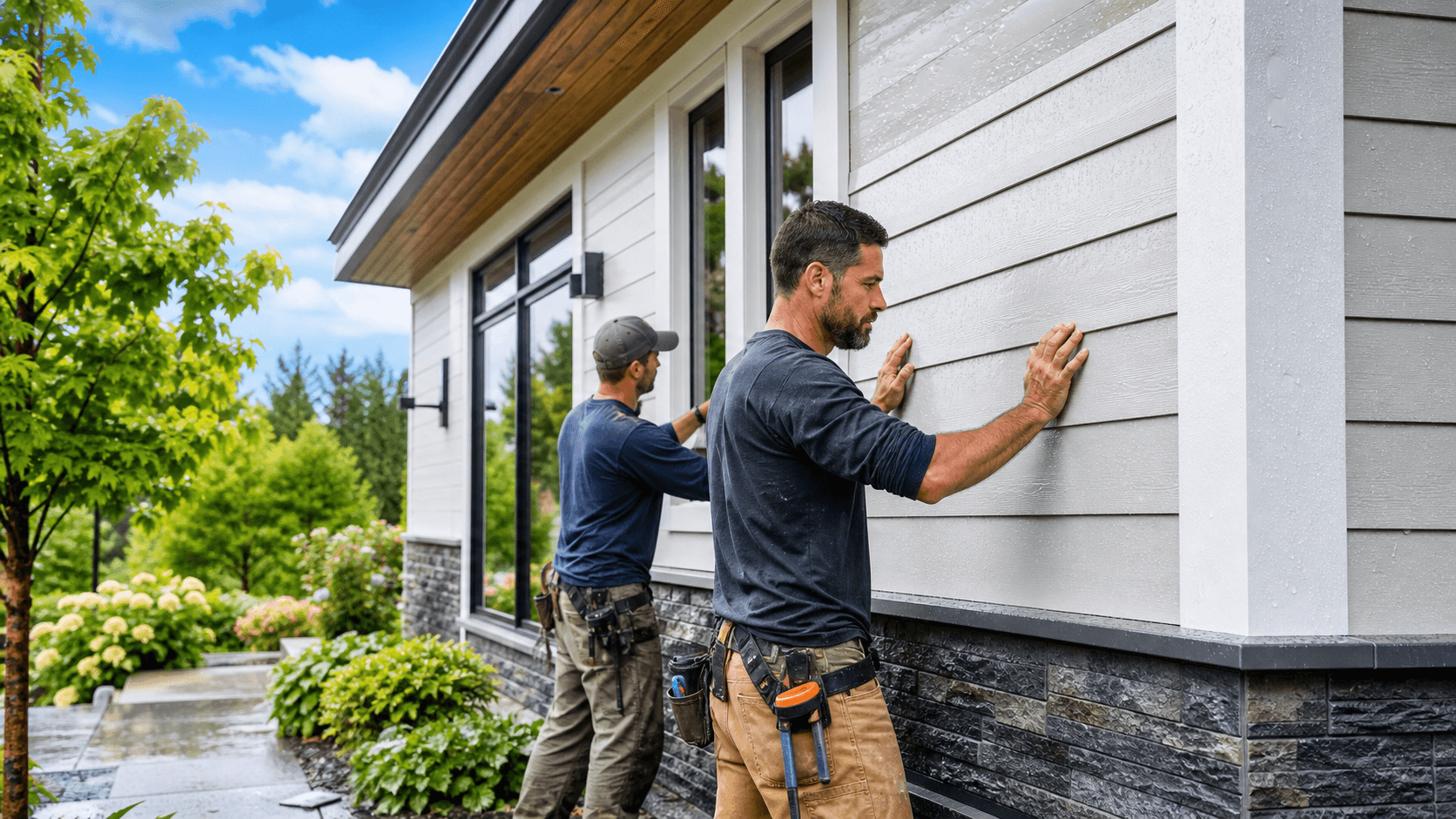
Build an Exterior That Can Handle Birmingham Weather
A lot of Birmingham homeowners feel frustrated when a "fresh" exterior starts failing after only a few years. Paint starts peeling, trim feels soft at the touch, and green or black mildew shows up in the same shady spots again and again. It is easy to blame bad luck, but most of the time the problem starts with the wrong mix of materials for our climate.
Our heat, humidity, and stormy shoulder seasons are hard on siding and trim. When the wrong products are used, or when they are installed without a moisture plan, water sneaks in, wood swells, paint cracks, and mold finds a home. Smart material choices, paired with good details, can slow all of that down and protect both comfort and long-term value.
At Live Oak Real Estate & Design, we work on exterior renovations in Birmingham every day, so we see what fails and what holds up. Our goal is to help you choose siding, trim, paint, and fasteners that look right for your house and stand up to local weather, instead of giving you another short-term "freshen up" that will not last.
How Birmingham's Climate Attacks Your Exterior
Birmingham weather is a mix of heavy rain, thick humidity, bright sun, and quick temperature swings. A sunny afternoon can turn into a stormy evening, and surfaces move through hot, wet, and cool all in a short time. Your exterior has to handle:
- Wind-driven rain that pushes water up behind laps and into joints
- Lingering humidity that keeps shady sides of the house damp
- Intense UV light that breaks down paint films and sealants
- Warm days and cooler nights that cause siding and trim to expand and contract
Moisture intrusion is not only about obvious leaks. Water moves by:
- Wind pressure, forcing rain into cracks around trim and windows
- Capillary action, where tight gaps actually pull water upward
- Vapor movement, as moisture tries to escape from inside and outside the home
When materials get wet over and over, they swell and shrink. Paint starts to separate, small gaps open at joints and nail holes, and those gaps let in even more water. That is when rot and mold find an easy path inside.
Some areas of a house are more at risk than others, such as:
- North-facing walls that stay shaded and damp
- Siding that sits too close to the ground or hardscape
- Window and door frames, especially at sills and corners
- Porch columns, railings, and fascia boards along the roof edge
- Any flat, layered, or decorative trim that tends to trap water
Planning an exterior renovation in Birmingham for the fall can be helpful, because cooler, steady weather makes it easier to dry out framing, apply primers, and give paint and caulk time to cure.
Moisture-Smart Siding Options That Last
Not all siding responds the same way to Birmingham's wet heat. When we look at siding for a project, we pay attention to how it handles water, impact, and sun over time.
Here is how common options compare:
- Fiber cement, very strong against moisture, insects, and fire, and stays stable with fewer cracks when installed with good clearances and flashing
- Engineered wood, better than traditional wood at resisting swelling, but still needs careful sealing, painting, and upkeep
- Traditional wood, beautiful and flexible in style, but very sensitive to standing water and slow to dry if not protected on all sides
- High-quality vinyl, does not rot, but can warp with heat and needs careful detailing to drain water behind it
For many Birmingham homes, fiber cement ends up being a top performer. It holds paint well, does not rot, and handles UV and rain better than most other choices when it is paired with a breathable housewrap and solid flashing at windows, doors, and joints.
That said, engineered wood or real wood can still make sense, especially on historic or cottage-style homes, as long as:
- All faces and end cuts are primed before installation
- Joints are designed to shed, not collect, water
- There is a plan for regular repainting and inspections
Scale and style matter too. Narrow lap siding can feel at home on older Homewood cottages, while wider laps or smooth modern panels might suit newer homes. With modern paint systems, you have plenty of color flexibility, but we often suggest softer or mid-tone shades to balance heat and glare in our strong sun.
Rot-Resistant Trim, Soffits, and Exterior Details
Trim and soffits usually fail before siding does. These parts of the exterior are full of joints, exposed end grain, and tricky shapes. They also sit right where water likes to collect, at window sills, corner boards, fascia, and column bases.
We often compare a few main trim options:
- Cellular PVC trim, very resistant to moisture and rot, easy to shape, needs the right paint and fastening methods
- Fiber cement trim, tough and stable, pairs well with fiber cement siding, a bit heavier and more rigid to work with
- Engineered wood trim, smoother and more consistent than natural wood, but needs careful sealing and ongoing paint care
- Naturally rot-resistant wood, like some types of cedar, attractive and workable, still not ideal in constant wet zones or near grade
Good detailing is just as important as the material itself. We focus on:
- Back-priming and sealing every cut edge before pieces are installed
- Adding drip edges and sloped sills so water sheds away from the house
- Using vented soffits to support attic airflow and reduce trapped moisture
- Keeping any wood-based trim lifted off decks, steps, and soil
When trim and soffits are chosen and installed with moisture in mind, they quietly protect the structure behind them. That helps keep hidden framing in better shape, which supports both daily comfort and the home's future resale story.
Paint Systems and Fasteners That Block Water
Moisture resistance is not only about siding and trim. Coatings and fasteners are a big part of how an exterior renovation in Birmingham holds up over time.
For paints and primers, we look for products that are made for humid Southern conditions. Key features include:
- Strong adhesion to modern siding materials like fiber cement and engineered wood
- Flexibility so the paint film can move with small expansions and contractions
- UV resistance to slow fading and chalking in bright sun
Good results depend on more than just the can. Surface prep and timing matter:
- Wash and dry surfaces fully before priming
- Follow proper drying times, especially in humid weather
- Use quality caulks at joints, penetrations, and trim transitions
Fasteners are another quiet but important choice. The wrong nails can rust and stain the surface or lose grip as wet and dry cycles repeat. We typically look for:
- Stainless steel nails or screws in high-exposure or coastal-like conditions
- Hot-dipped galvanized fasteners that match manufacturer guidelines
- Non-reactive fasteners around fiber cement and treated framing
Behind the face of the wall, modern housewraps, flashing tapes, and even rain-screen cavities in higher exposure zones create a second line of defense. These layers let water that gets past the siding drain away and dry, instead of getting trapped.
Plan a Durable Exterior Renovation in Birmingham Now
If you are starting to notice peeling paint, soft spots in trim, or recurring mildew, it might be time to think about a full exterior strategy instead of another spot repair. Planning ahead for a fall project can give you better weather windows for carpentry, priming, and painting, all of which help materials last longer.
At Live Oak Real Estate & Design, we bring together construction experience and real estate insight for homeowners across the Birmingham area. When we plan an exterior renovation, we look at it as a system, from siding choice and trim details to coatings, fasteners, and the hidden layers behind the walls. That way, each material supports both how you live today and how your home will perform and show when it is time to talk about resale.
Get Started With Your Project Today
If you are ready to reimagine your curb appeal, we invite you to explore our recent work in exterior renovation in Birmingham. At Live Oak Real Estate & Design, we collaborate closely with you to create an exterior that aligns with your vision, neighborhood, and budget. Share your goals, timelines, and questions, and we will guide you through each step with clear communication and thoughtful design. To begin a conversation about your project, simply contact us.